12 Most Scenic Idaho Hot Springs for Photography That'll Make Your Followers Jealous
- September 27, 2026
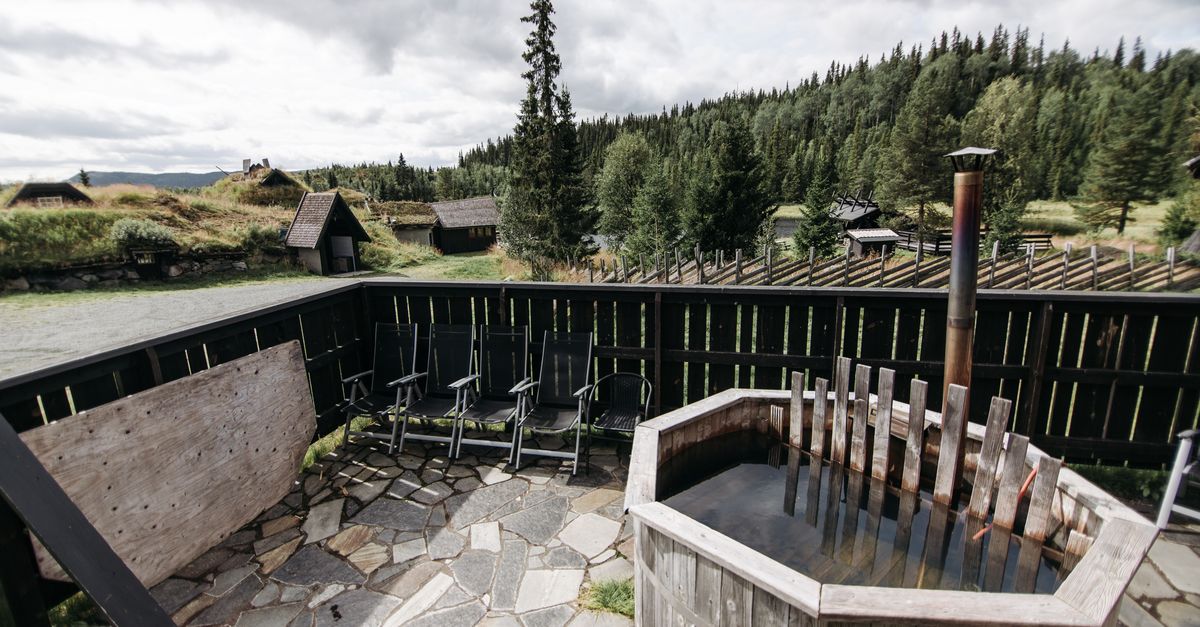
Photo by Pavel Danilyuk via Pexels
Idaho holds a quiet title that most residents don't talk about much: the state with more hot springs per capita than anywhere else in America. Geothermal systems slice through volcanic bedrock across the Idaho Batholith, feeding dozens of developed and wild springs scattered from the panhandle to the border with Utah. For photographers and Instagram creators, this means one thing: variety. Canyon-walled seeps beside Class IV rapids. Meadow pools framed by wildflowers. Remote rock-ringed hot pots requiring a two-hour hike to reach. The challenge is choosing which one to feature first.
This guide covers twelve springs that deliver on the visual promise, shooting opportunities that work for golden hour, astrophotography, and everything in between.
Understanding Idaho's Hot Spring Landscape Before You Shoot
The geology explains the scenery. The Snake River Plain cuts through southern Idaho along the path of the Yellowstone hotspot, and deep granite formations to the north hold heat that rises through fractures in the rock. Natural water temperatures range from 98°F to 118°F depending on the spring, with mineral deposits staining river rocks in shades of rust, cream, and terracotta.
Accessibility varies dramatically. Some springs sit 50 feet from a parking lot; others demand four-wheel drive and a map. Many of the most scenic wild springs occupy public land managed by the Idaho Department of Lands or the U.S. Forest Service, meaning no fees, no reservations, and no crowds if you arrive before 10 a.m. on summer weekends.
The Goldbug Waterfalls Circuit: Hot Springs Meets Cascading Water
The Goldbug Hot Springs trail outside Hot Springs, Idaho gives photographers layered composition. Three tiers of manmade soaking pools cascade down a granite slope overlooking the Salmon River corridor. The lower pools sit closest to the trailhead at 1.5 miles; the upper pool requires a steep half-mile scramble and rewards effort with solitude.
Photographers favor golden hour here because the canyon orients east-west, placing the cascades in direct morning light. Morning fog rolling off the river adds depth to wide shots. Tripods work well near the middle pool, where the main waterfall creates a natural focal point. Bring a polarizing filter to cut glare on wet granite. The soaking pools themselves stay around 104°F in the lower tier and slightly hotter in the upper pools, comfortable for extended sessions between shots.
Parking fills by 9 a.m. on summer Saturdays. Arrive at trailhead by 7:30 for prime positioning.
Kirkham Hot Springs: The Classic Cascade Shot
Few Idaho springs appear in more travel photography than Kirkham Hot Springs, located in the Boise National Forest near Lowman. The setup is cinematic: hot water pours over a basalt cliff face into a large pool at river level, with a smaller upper pool accessible via a metal ladder bolted to the rock.
The main pool faces south, ideal for afternoon light that illuminates the waterfall against darker canyon walls. Long exposure shots work here on calm mornings, smoothing the cascading water into silk. The surrounding forest, white pine, Douglas fir, and aspen, provides year-round color contrast, particularly in October when aspens turn gold.
Kirkham sees more visitors than most wild springs due to easy access off State Highway 21. Weekday mornings offer cleaner backgrounds without other visitors in frame. The pool depth varies with river flow, reaching chest height near the waterfall and waist level near the far edge.
Sunbeam Hot Springs on the Salmon River: River Culture Meets Geothermal
Sunbeam Hot Springs occupies a bend in the Salmon River approximately 25 miles east of Stanley, drawing photographers who want Idaho's mountainous wildness as a backdrop. The spring emerges from a gravel bar on the river's north bank, warming a shallow stretch where kayakers and rafters sometimes stop to soak between rapids.
This spring works best for environmental portraits and wide landscape shots. The river context adds scale that canyon-bound springs lack. Morning light catches the Bitterroot Mountains to the north; evening light silhouettes the river corridor. Water temperature runs around 106°F where it exits the gravel, mixing to bathwater warmth in the main pool.
Access requires driving a rough gravel road and crossing the river on a low-water bridge. High water in June makes the crossing unreliable; late July through September offers the most consistent access. No developed facilities exist here, so pack out everything you bring.
French Creek Hot Springs: The Remote Wilderness Option
For photographers willing to trade convenience for exclusivity, French Creek Hot Springs in the Frank Church-River of No Return Wilderness delivers. The spring surfaces in a willow-choked meadow beside French Creek, feeding a series of shallow pools that blend with creek water to comfortable temperatures.
The composition potential here differs from canyon springs. Open sky, mountain peaks reflected in quiet water, and wildflowers in July create a softer aesthetic. This appeals to photographers seeking a contemplative tone rather than dramatic vertical elements. The surrounding wilderness, no roads, limited cell service, adds to the isolation narrative.
A 7-mile hike from the French Creek trailhead reaches the springs. Stock up on supplies in Cascade before heading out, and carry water filtration. While the hot spring water itself tests clean, creek water used for drinking requires treatment.
Boundary Creek Hot Springs: Riggins Gateway to Geothermal
Boundary Creek Hot Springs sits near Riggins, Idaho, a small town that serves as a hub for Salmon River rafters. The spring emerges from a hillside above the creek, filling two concrete pools enclosed by a rustic wooden structure. Unlike wild springs, Boundary Creek offers developed amenities: changing rooms, fire rings, and a small fee collected by the owner.
Photography here focuses on the contrast between industrial structure and natural setting. Rusty metal roofs, weathered wood, and steam rising into cold morning air create a working-warmth tension that appeals to documentary photographers. The creek runs clear turquoise in late summer, providing color contrast in wider shots.
Evening sessions work well here due to artificial lighting inside the structure. The warm pool interior photographed against a dark winter sky yields dramatic results.
Mountain Village Hot Springs: Near Idaho City, Far From Crowds
Mountain Village Hot Springs operates as a small commercial facility south of Idaho City, offering multiple pools of varying temperatures with views across the Boise River drainage. The setting combines private development with public-land scenery. Manicured grounds give way to wilderness within a few hundred yards.
For Instagram creators, the staged quality here provides reliable composition. Wooden decks, clean sightlines, and maintained landscaping eliminate the variables that make wild springs harder to photograph. Multiple temperature zones mean visitors can adjust comfort without relocating, allowing extended shoots from a single position.
The surrounding area includes the historic Boise Basin and Centerville, offering supplementary photography opportunities for multi-day trips.
Bear Track Hot Springs: The Expert's Choice
Bear Track requires commitment. A 45-minute boat ride across the Salmon River followed by a 45-minute uphill hike reaches this unmarked spring on the river's north bank. Few visitors make the journey, which translates to uninterrupted shooting time and zero competition for the best pool positions.
The spring consists of a single large rock-ringed pool overlooking the river canyon. Morning light sweeps across the water 400 feet below; evening light warms the granite faces directly. No structures, no ropes, no signs. Just geothermal water and wilderness.
Bring everything needed for a full day. Cell coverage does not exist in this stretch of canyon. Pack water, food, and emergency supplies. The reward is Idaho hot spring photography that remains genuinely rare: shots no other creator has captured from this angle, at this light, on this day.
White Owl Hot Springs: Industrial Backdrop, Unique Texture
White Owl Hot Springs near Mountain Home occupies private land adjacent to the Snake River Plain, with water emerging from basalt formations in a semi-developed setting. The spring name references an old resort that once operated here. Remnants of concrete foundations and stone walls add texture to environmental photographs.
The photographic interest here leans industrial-wilderness. Volcanic rock, rusted metal remnants, and steam create visual tension. Long afternoon shadows across the basalt fields yield strong graphic compositions. Water temperatures run higher than comfortable for soaking, requiring mixing with ambient air or cold water. Photographers often work the scene without entering the pools.
Access requires contacting the landowner for permission. Some visits are by appointment only. This barrier limits crowds significantly.
Lava Hot Springs: The Developed Alternative
Lava Hot Springs, now operated as a public pool complex near the town of Lava Hot Springs in southeastern Idaho, offers a different value proposition for photographers: reliability. Unlike wild springs dependent on weather and water levels, this facility maintains consistent conditions year-round, with multiple pools, changing facilities, and on-site lodging.
The photography angle here emphasizes human-nature interaction: families in evening light, steam against snow, silhouetted figures on pool edges. The mountain setting, the Portneuf Range, provides alpine context that contrasts with the warm water.
For creators needing dependable content without logistics risk, Lava Hot Springs serves as a productive fallback when wild springs prove inaccessible.
Planning Your Idaho Hot Spring Photography Trip
Timing shapes everything. Spring snowmelt, May through June, raises water levels but muddies access roads. Summer, July and August, offers the best road conditions and longest daylight for shooting, but brings the highest visitor traffic. Fall, September and October, provides solitude, aspens in gold, and crisp air that photographs beautifully against steam. Winter access narrows to developed springs only.
Equipment recommendations vary by site. A wide-angle lens, 16 to 35mm equivalent, serves most canyon springs. A telephoto, 70 to 200mm, isolates details and compresses backgrounds at wider spaces. Tripods matter at low-light times, early morning and dusk, while golden hour handheld shots work fine. Waterproof phone pouches enable underwater perspectives at shallow pools.
Respect the resource. Travertine deposits that give many springs their striking appearance take centuries to form. Avoid stepping on or disturbing these formations. Pack out all trash, including food waste. Keep drone use respectful of other soakers' privacy. The springs remain accessible because visitors treat them as commons worth protecting.
The Bottom Line on Idaho's Most Photogenic Soaks
Idaho's hot springs offer something rare in the influencer era. Genuinely uncrowded natural beauty that rewards patience and effort. The twelve springs covered here represent a starting point, each with distinct geology, light, and composition possibilities that unfold differently across seasons.
Kirkham delivers the classic cascade shot with minimal effort. Goldbug offers layered waterfall compositions at moderate hiking distance. Bear Track and French Creek reward adventurers with exclusivity and pristine wilderness framing. White Owl and Boundary Creek provide industrial texture for documentary work. Lava Hot Springs stands ready when logistics fail elsewhere.
Start with one that matches your skill level and equipment, then branch outward. Idaho's geothermal heart keeps pumping 365 days a year. The hot springs will be there, steaming in the cold morning air, waiting for the right frame.