Montana Hot Springs Clothing-Optional: Your Complete Guide to Soaking Without Swimsuit Rules
- September 20, 2026
Montana holds a unique position among states with natural hot springs, particularly for those seeking clothing-optional soaking experiences. The state's Department of Natural Resources and Conservation oversees roughly two dozen thermal spring sites across western counties, and about half of these have established traditions of clothing-optional use, whether through formal policy, historical practice, or simple remoteness that makes enforcement impractical.
If you're searching for "are Montana hot springs clothing optional," you deserve a straight answer. Some welcome nude soaking openly. Others tolerate it. A few prohibit it. This guide covers both categories with specificity, because nothing ruins a soak faster than showing up to the wrong spring expecting to shed your suit.
The Big Divide: Wild Springs vs. Commercial Resorts
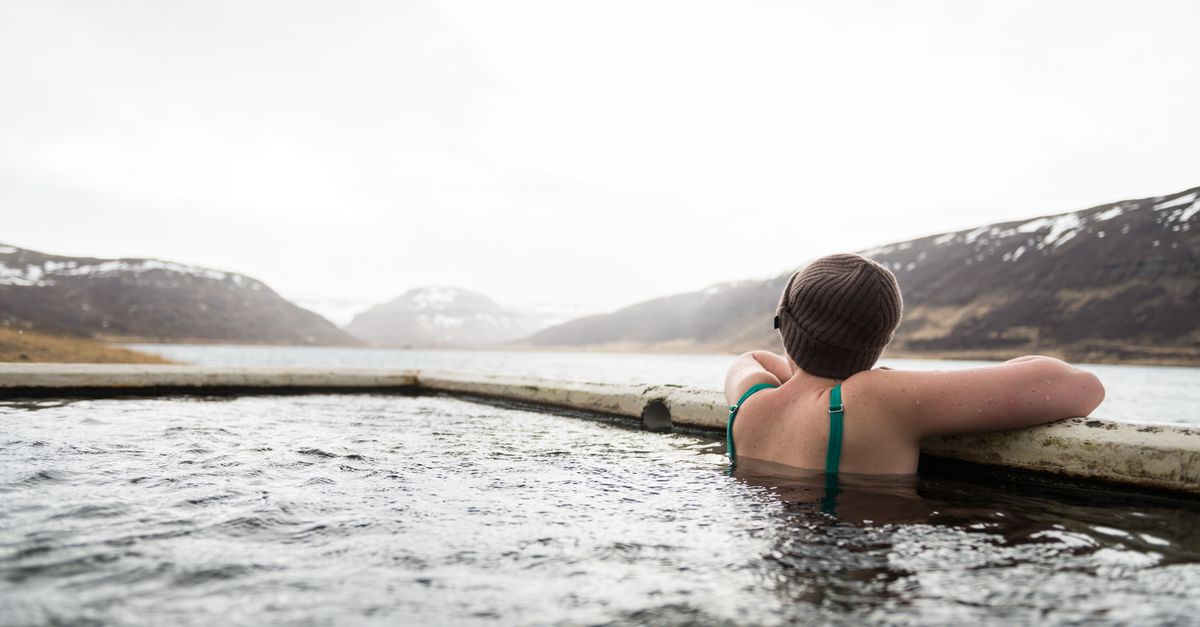
Montana's clothing-optional hot springs fall into two broad categories. The first is undeveloped or minimally developed thermal springs located on public land: forest service roads, Bureau of Land Management parcels, or remote state holdings. These sites typically lack facilities, running water, or permanent staff. Clothing policy at these springs exists mostly as an honor system, shaped by community norms and the tacit acceptance of rangers who may or may not patrol the area.
The second category is commercial soaking facilities that have chosen to designate certain pools or sessions as clothing-optional. These establishments have taken deliberate steps to create spaces where nudity is not merely tolerated but welcomed, typically by designating specific hours, specific pools, or entirely separate facilities for textile-free soaking.
Understanding this distinction matters because the experience at each type differs substantially. Wild springs offer solitude, natural surroundings, and zero amenities. The tradeoff for freedom from clothing rules is freedom from everything else, including changing rooms, heated decks, or soap. Commercial clothing-optional facilities provide comfort, cleanliness, and predictability in exchange for an admission fee and the company of like-minded soakers.
Wild Montana Hot Springs Where Clothing-Optional Soaking Is Accepted Practice
Symnes Creek Hot Springs
Located in the Beaverhead-Deerlodge National Forest near Dillon, Symnes Creek represents the archetype of Montana's clothing-optional wild springs. The site features a concrete soaking pool built directly over a thermal fissure, with water temperatures ranging from 102 to 106 degrees Fahrenheit depending on the season and stream flow. The pool sits in a steep canyon accessible only via a rough Forest Service road, and the nearest paved town is 25 miles distant.
Because of this isolation, the springs have developed an established culture of clothing-optional use over decades. Rangers from the National Forest typically do not patrol the area regularly, and the soak-site community has maintained a quiet understanding that the springs exist outside the realm of mainstream recreation. Soakers arrive expecting nudity and typically encounter it, though no official policy sanctions this. Bring your own towel, pack out everything you bring in, and expect to share the space with a rotation of locals and traveling soakers who have discovered the same truth.
Lone Pine Hot Springs
Near the town of Divide, roughly 45 minutes west of Butte, Lone Pine Hot Springs occupies a meadow setting with multiple pools of varying temperatures. The largest pool sits at the base of a low hillside, surrounded by wildflowers in summer and snow-laden grass in winter. Water emerges from a fault line at approximately 108 degrees and cools to bathable temperatures through a system of rock dams and channels the soak-site community has built and maintained over the years.
Lone Pine operates in a gray area regarding clothing policy. The land sits on a mixture of private property and BLM holdings, with an informal arrangement allowing public access to the thermal features. The soak-site culture here leans strongly toward clothing-optional, particularly during early morning and late evening hours when fewer visitors appear. On busy summer weekends, you may encounter textile-clad campers who wandered over from nearby dispersed camping areas, but the core soaker community treats the pools as clothing-optional space by tradition.
Zortman Hot Springs
The small town of Zortman sits in the Little Rocky Mountains in north-central Montana, far from the more populated western corridor. The local hot springs occupy a hillside above town, with water flowing through a series of rock-lined pools toward the valley below. The setting offers panoramic views of the surrounding badlands, and the soak-site community has cultivated a reputation for welcoming atmosphere that extends to clothing-optional soaking.
Access to Zortman Hot Springs is informal. The pools are owned and maintained by a local cooperative, with suggested donations supporting upkeep. Because the nearest Forest Service office sits over an hour away and the pools see limited enforcement attention, the springs operate largely on community standards rather than official regulation. Clothing-optional soaking has been the norm here for decades, and new visitors who arrive expecting to soak nude generally find the practice accepted and unremarkable.
Commercial Montana Hot Springs with Clothing-Optional Hours or Pools
Chico Hot Springs
Chico Hot Springs in Pray, Montana operates as a resort and event venue with a rich history dating to the 1880s. The facility features multiple pools, including a large outdoor main pool and smaller private soaking pools. For decades, Chico maintained an unofficial clothing-optional policy during early morning hours before the pool opened to general resort guests. This tradition allowed dedicated nude soakers to enjoy the thermal waters in relative solitude.
Recent years have seen Chico tighten its policies. The resort now enforces swimwear requirements during all posted operating hours, citing guest comfort and staff workload concerns. Those seeking clothing-optional soaking at Chico should call ahead to confirm current policy, as resort management adjusts rules based on season and demand. While the historic connection to nude soaking remains part of Chico's lore, visitors should not assume the practice remains welcome without verification.
Boulder Hot Springs
Boulder Hot Springs, housed in a historic 1913 hotel about 30 miles southeast of Helena, operates as a boutique resort with thermal pools both indoors and outdoors. The facility has designated certain wellness sessions and early-morning hours as clothing-optional, recognizing that some guests value the freedom of nude soaking as part of the therapeutic experience.
The indoor pool at Boulder Hot Springs offers the most reliable clothing-optional access, with specific hours reserved for textile-free soaking in a quieter, more contemplative setting. The outdoor pool maintains stricter clothing policies during peak daylight hours but may offer clothing-optional windows during off-peak times. Guests should check the current schedule upon arrival or call ahead to confirm which sessions accommodate clothing-optional soaking on the date of their visit.
Essential Etiquette for Clothing-Optional Soaking in Montana
Regardless of whether you choose a wild spring or a commercial facility, certain norms govern clothing-optional soaking in Montana. These expectations exist not as rigid rules but as social contracts that maintain the welcoming atmosphere soakers value.
First, bring a towel and use it. Sitting directly on hot spring surfaces without a barrier between your skin and the stone or concrete is both a hygiene issue and a sign of disrespect to fellow soakers. Many experienced nude soakers recommend bringing two towels: one for sitting and one for drying.
Second, keep splashing and noise to a minimum in clothing-optional spaces. The freedom to soak nude carries an implicit expectation of contemplative, low-key behavior. Loud conversations, horseplay, and vigorous swimming disrupt the atmosphere that makes clothing-optional soaking appealing in the first place.
Third, observe before you disrobe. When arriving at an unfamiliar spring, spend a few minutes assessing the scene before removing clothing. If others are present and clothed, follow their lead. If others are nude, join them. Matching the behavior of established soakers demonstrates social awareness and prevents awkward confrontations.
Fourth, pack out all trash. This applies to every Montana hot spring but carries particular weight at wild soaking sites. These spaces exist through the goodwill of the soaking community and the tolerance of land managers. A single instance of littering at a remote spring can lead to closure of the site for everyone.
Practical Considerations Before You Go
Wild hot springs in Montana require self-sufficiency. Cell phone service is unreliable or nonexistent at most remote soaking sites. Roads leading to thermal springs often demand high-clearance vehicles, and some access routes close seasonally due to snow or mud. Always check current road conditions before attempting to reach remote springs, and never rely on GPS alone for navigation to lesser-known sites.
Water temperatures at thermal springs fluctuate based on natural flow rates, season, and weather. What feels perfect in July may scald in February when snowmelt drops and thermal output remains constant. Test water with your hand before submerging, and be prepared to soak in ankle-deep water if the main pool runs too hot.
Commercial facilities offer the opposite trade-off: predictability and comfort in exchange for higher costs and more structure. Day passes at Montana's commercial hot springs typically range from $15 to $35 per person, with overnight guests at resort properties receiving included or discounted access. If you prefer certainty about clothing policy, regulated facilities with explicit clothing-optional hours provide that assurance.
Montana's clothing-optional hot springs offer one of the most accessible and varied collections of nude soaking opportunities in the American West. From the remote canyon pools of Symnes Creek to the managed comfort of Boulder's designated sessions, the state has options for every preference and comfort level. The key is knowing before you go: understand the specific policy at your chosen spring, respect the community norms that maintain these spaces, and soak freely where the culture welcomes you.