Wyoming Hot Springs Temperature Guide: Find Your Perfect Soak
- September 23, 2026
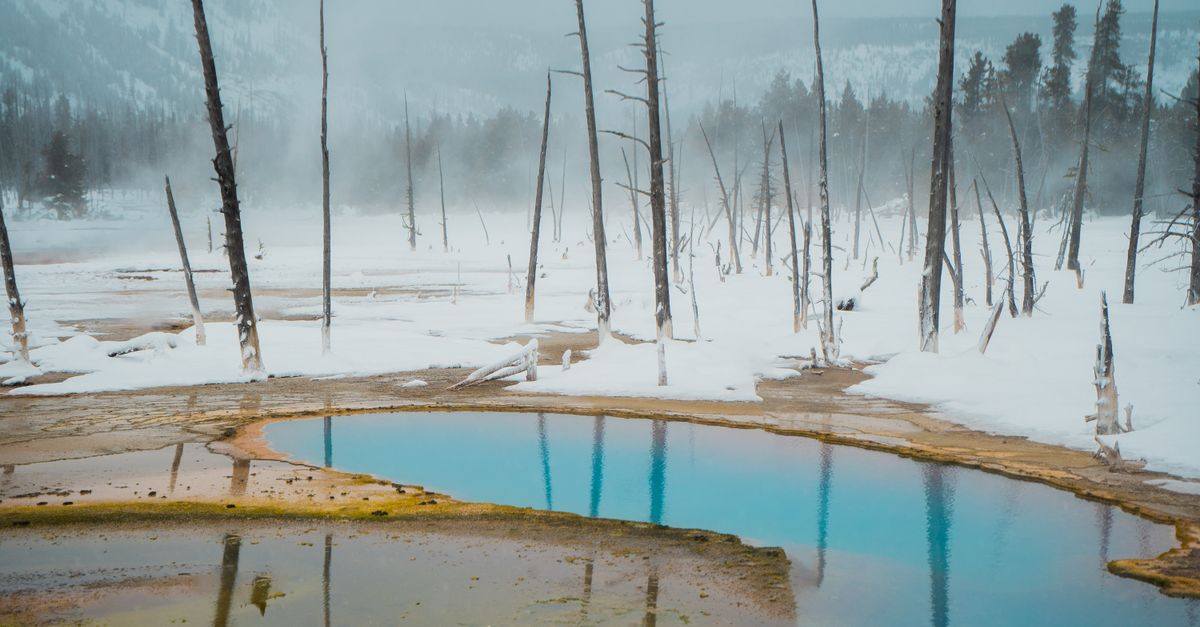
Photo by Meghan Marron via Pexels
Wyoming sits above one of the most geothermally active underground systems in North America. The state's volcanic geology creates natural heating that feeds dozens of documented hot springs across its mountain ranges and valleys. These range from barely lukewarm to water hot enough that you need to mix it carefully before you can get in. Knowing the temperature of your intended soak matters more than most visitors realize.
The geology driving this thermal diversity traces back to the Yellowstone hotspot's influence on the earth's crust. According to the Wyoming State Geological Survey, the state's hot springs emerge along fault lines and fractured bedrock where groundwater heated by deep volcanic sources rises to the surface. This explains why temperatures vary so much across locations separated by mere miles.
Thermopolis operates at the extreme end of Wyoming's hot springs spectrum. Hot Springs State Park, home to the Big Spring, draws water from a source that emerges at 128°F. This temperature is close to the upper limit of what human skin can handle, which is why the state park has engineered concrete pools that mix the scalding source water with cooler inputs to create comfortable soaking zones from 80 to 104°F depending on the pool.
The 128°F phenomenon at Thermopolis
The source temperature at Thermopolis ranks among the hottest natural hot springs in the contiguous United States. To put this in practical terms, water at 128°F requires immediate medical attention if exposure exceeds brief seconds. The human body cannot safely maintain full immersion in water above approximately 110°F for extended periods without risk of burns or heat stress.
What makes Thermopolis remarkable is not just the raw temperature but how the park has harnessed it. The State Park website notes that about 3,800 gallons of mineral-rich water flow from the Big Spring every minute. This volume creates a constant renewal of water in the pools, so even at popular soaking times the mineral content stays fresh and the temperature remains consistent.
The mineral composition of Thermopolis water includes high concentrations of sodium, bicarbonate, and sulfate, giving it a slightly alkaline character. Visitors often describe the water as having a silky quality that lingers on skin after you get out. The sulfur content, while noticeable, produces less of the "rotten egg" smell common to some hot springs because the high flow rate prevents the gas buildup that creates stronger odors.
For visitors planning a Thermopolis soak, the park offers several advantages that explain why it draws more visitors than any other hot spring in the state. The facilities include changing rooms, restrooms, and accessible pathways. The free public bathing area operates year-round, though winter visits offer a striking contrast between the steaming water and cold mountain air. The adjacent Star Plunge concessionaire offers additional pools and facilities for those seeking upgraded amenities.
Saratoga: The gentle giant
About 200 miles south of Thermopolis, Saratoga presents a different thermal profile. The Saratoga Hot Springs emerge at temperatures between 95°F and 106°F, depending on which vent or pool you visit. This range sits comfortably within what the human body can tolerate indefinitely, making Saratoga ideal for extended soaking sessions.
The town of Saratoga has embraced its thermal heritage by developing public soaking facilities directly in the downtown area. The most iconic, the Saratoga Hot Springs Resort's public pools, draws water from a source that maintains a consistent 104°F year-round. This reliability makes planning straightforward. You can expect comfortable temperatures regardless of season.
The environment at Saratoga differs substantially from the developed State Park atmosphere at Thermopolis. Saratoga sits in a wide valley where the North Platte River flows through sagebrush country. The pools at the resort overlook the river, with sightlines to surrounding grasslands rather than mountain peaks. The vapor rising from the 104°F water creates a surreal atmosphere during early morning hours when temperatures drop below freezing, with steam columns drifting across the landscape.
The mineral content at Saratoga runs lower in sulfur than Thermopolis, resulting in water that feels lighter and less mineral-forward on the skin. Visitors who find the stronger mineral waters of other springs uncomfortable often report Saratoga as their preferred Wyoming soak. The moderate temperature also makes it suitable for families with children and individuals who prefer warmth without intensity.
The Saratoga Hot Springs Resort dates to the early 20th century and has expanded from its original therapeutic origins into a full-service destination. The historic planked bathhouse remains in operation alongside newer facilities, offering visitors a choice between rustic charm and modern comfort.
Granite Hot Springs: Backcountry warmth
For travelers seeking a more remote experience, Granite Hot Springs in the Gros Ventre Range delivers thermal warmth in a mountain setting about 40 miles northeast of Jackson. The main pool maintains temperatures in the 100-105°F range, placing it between Thermopolis and Saratoga in heat intensity.
Granite Hot Springs sits within Bridger-Teton National Forest, requiring visitors to travel several miles on gravel roads to reach the facility. The soaking pool was constructed using granite boulders arranged to create a natural-looking basin fed by a hot spring vent. The result feels more like bathing in a wild mountain stream that happens to be warm than soaking in an engineered pool.
The setting distinguishes Granite Hot Springs from Wyoming's more developed options. Ponderosa pines shade the area, and the Gros Ventre River runs cold just yards from the warm pool. During summer months, some visitors create a DIY hot-to-cold contrast therapy by moving between the hot spring and the river. Some soakers move between the hot spring and the cold river. This practice illustrates how the natural setting enables experiences impossible at developed facilities.
Access to Granite Hot Springs follows seasonal patterns. The road typically opens in late May or early June, depending on snowpack, and closes when winter conditions make the route impassable. The soak season runs from early summer through mid-fall, with peak visitation occurring in July and August when Jackson Hole sees its highest tourist volumes.
Granite Hot Springs charges a modest day-use fee and requests that visitors observe time limits during busy periods. The facilities include changing rooms and pit toilets, much more primitive than Thermopolis or Saratoga, but appropriate for the backcountry setting.
Understanding the temperature spectrum
When selecting a Wyoming hot spring, temperature is just one factor in the decision. Altitude affects how the body processes heat. Wyoming's springs range from about 4,500 feet in Thermopolis to over 7,000 feet at some Granite Hot Springs approaches. Higher elevation reduces the body's heat tolerance, meaning water that feels comfortable at sea level might feel overwhelming at altitude.
Duration matters as much as temperature. A brief soak in 128°F water at Thermopolis can be exhilarating. An hour-long immersion risks hyperthermia. The moderate 95-100°F range at Saratoga or Granite supports multi-hour soaking sessions where the primary risk involves nothing more serious than pruned skin.
The mineral intensity of thermal water also correlates loosely with temperature. Hotter source waters tend to carry higher mineral loads because heat increases water's capacity to dissolve underground minerals. Visitors with sensitive skin or certain dermatological conditions may find gentler, cooler options more suitable.
Planning your Wyoming thermal journey
Geography creates natural touring routes for hot springs enthusiasts. Thermopolis sits along Interstate 90 in central Wyoming, making it accessible as a roadside stop or destination. The town offers lodging, dining, and additional attractions including a dinosaur museum and the geology of Bighorn Canyon.
Saratoga works well as a stop along Wyoming's southern tier, positioned between Lander and the Colorado border. The town provides sufficient services for overnight stays, though advance booking during hunting season or major events becomes essential.
Granite Hot Springs fits naturally into a Jackson Hole area itinerary, combining with Grand Teton and Yellowstone visits. The proximity to world-class skiing in winter makes the summer-only access schedule frustrating for cold-weather enthusiasts, though heated options exist at Jackson Hole's commercial facilities.
All Wyoming hot springs share one characteristic. The mineral-rich water leaves a residue on skin, hair, and swimwear. Rinsing thoroughly after soaking extends the life of your gear and removes the temporary mineral coating that some find drying. Many regular soakers keep separate "hot springs only" swimwear that has already absorbed the mineral residue and become comfortable for repeated exposure.
Wyoming's hot springs offer something for every preference. Whether you seek the intense heat of Thermopolis or the gentler warmth of Saratoga's river-valley pools, the Cowboy State's geothermal gifts await. Pack appropriately, plan for altitude, and prepare to understand why generations of travelers have sought out these steaming oases in one of America's most dramatic landscapes.